
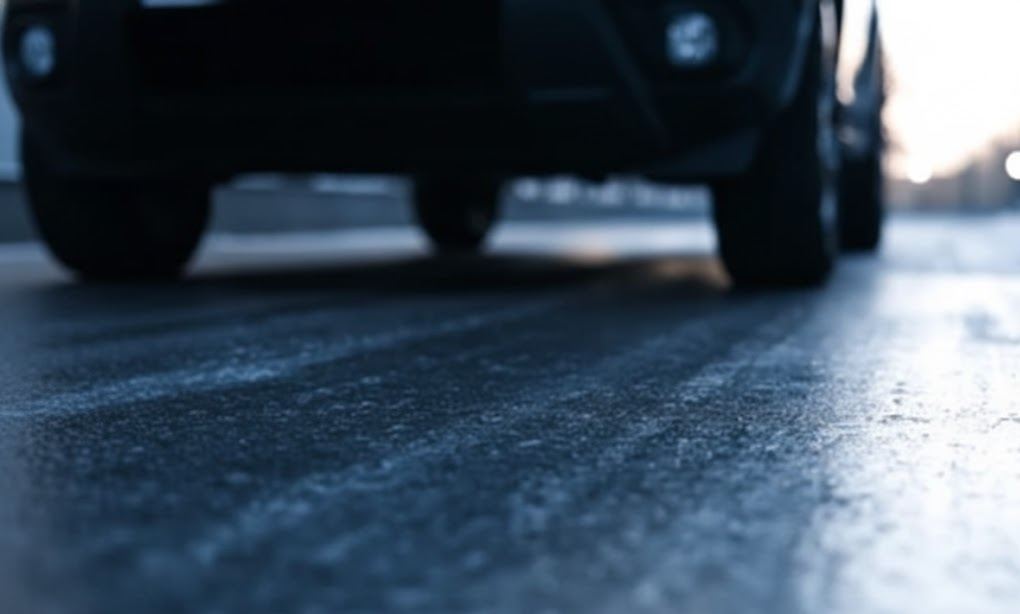
When those first November mornings hit Freeport and the thermometer dips below 45 degrees, many BMW drivers feel a comforting sense of security knowing they have xDrive all-wheel drive. That confidence is partially justified—xDrive is legitimately one of the most sophisticated AWD systems ever engineered, intelligently distributing power between axles in milliseconds to help you accelerate smoothly on slick roads. But here’s the critical reality that catches too many Long Island drivers off guard: xDrive helps you go, but it absolutely cannot help you stop or steer safely on ice if your tires have hardened into inflexible rubber blocks. At BMW of Freeport Service Center, we see this dangerous misconception play out every winter, which is precisely why we’re breaking down the real science behind winter readiness—because understanding the difference between “go” and “stop” could genuinely save your life during those unpredictable Long Island snow squalls.
Why xDrive Is Not Enough: The Difference Between “Go” and “Stop”
There’s an understandable reason why xDrive gives drivers such confidence. The system continuously monitors wheel speeds through sophisticated sensors and can instantly redirect up to 100 percent of available torque to whichever axle has the most grip, typically working with a 40:60 front-to-rear power split under normal conditions. When you press the accelerator on a snow-covered parking lot in Merrick or Baldwin, xDrive’s electronically controlled clutch pack actively prevents wheelspin by sending power where it’s needed most, often before you even realize traction was compromised.
But here’s where physics becomes your enemy: xDrive only controls where your engine’s power goes—it has zero ability to create traction that doesn’t exist. When temperatures drop below 45 degrees Fahrenheit (which happens regularly in Freeport from December through March, with average winter lows in the mid-20s), the rubber compound in all-season tires undergoes a molecular transformation. The rubber literally hardens and becomes inflexible, almost like a hockey puck, drastically reducing its ability to conform to microscopic road irregularities that create friction. This means when you need to brake suddenly for a car that stops short on Sunrise Highway, or steer quickly around black ice on Merrick Road, your tires simply can’t grip the pavement—and xDrive can’t manufacture traction out of thin air. You end up sliding despite having one of the world’s most advanced AWD systems, which is why scheduling your pre-winter inspection should include a serious conversation about proper winter tires.
The 45-Degree Rule: When All-Season Tires Lose Their Grip
The magic number for winter tire performance is 45 degrees Fahrenheit, and it’s not marketing hype—it’s actual chemistry. Tire manufacturers engineer all-season and summer tire rubber compounds to perform optimally above this threshold, using a harder rubber blend that maintains structure during hot summer months. This harder compound is fantastic for durability and handling during warm weather, but it becomes a serious liability when temperatures consistently drop below 45 degrees, which typically happens in Freeport starting in late November.
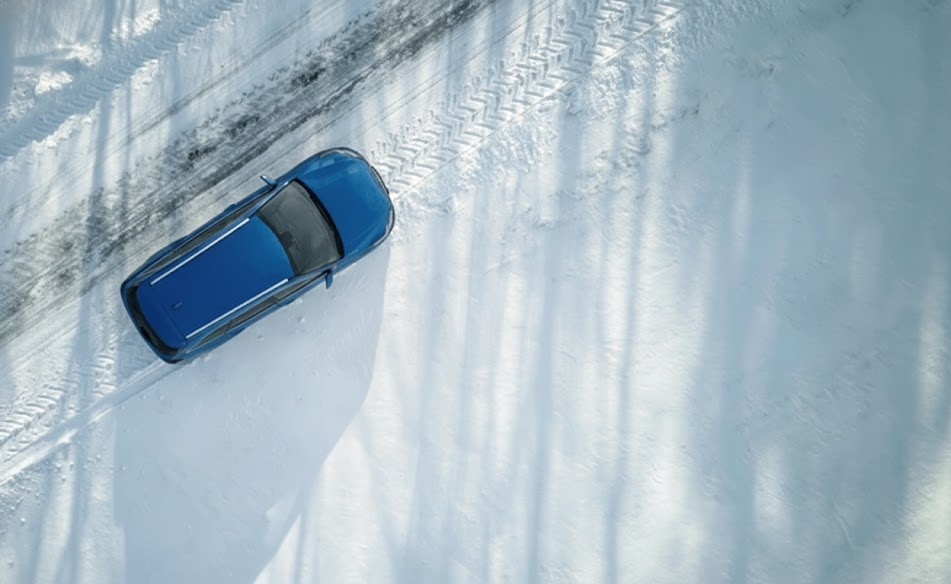
At these colder temperatures, regular tire rubber reaches what engineers call the “glass transition temperature”—the point where rubber loses flexibility and starts behaving like rigid glass or hard plastic. Winter tires solve this completely through specialized rubber compounds that incorporate higher concentrations of natural rubber and silica, materials chosen specifically because they remain pliable even when temperatures plummet well below freezing. This flexibility allows the tire to grip the road surface effectively, dramatically improving your ability to brake, steer, and maintain control during those inevitable Long Island winter storms that create icy patches on every major road from Wantagh Parkway to Meadowbrook Parkway. When you shop BMW winter wheel packages at our service center, you’re fundamentally upgrading your vehicle’s ability to keep you safe during the coldest months.
Critical xDrive Maintenance Checklist for Long Island Winters
Preparing your BMW for Long Island winter conditions goes far beyond just installing winter tires. Several critical maintenance items directly affect how well your xDrive system performs when temperatures drop and roads get treacherous:
- Battery Health: Your BMW’s battery faces enormous demands during winter. When you start your vehicle on a frigid January morning, your battery must provide power not only for the starter but also to support xDrive’s electronic systems, heated seats, climate control, and defrosters. Cold weather naturally reduces a battery’s available cranking amps—at 32 degrees, your battery loses about 35 percent of its strength. A battery that seems perfectly fine in September can suddenly fail in December, leaving you stranded in a Freeport parking lot. We strongly recommend testing your battery before winter arrives, replacing it preemptively if it’s more than three or four years old.
- Alignment Check: Long Island roads are brutal on vehicle alignment, especially after winter when freeze-thaw cycles create potholes overnight. What many BMW owners don’t realize is that xDrive relies heavily on precisely calibrated wheel speed sensors—these sensors constantly monitor each wheel’s rotational speed and feed that data to the system’s computer. If your alignment is off because you hit an unseen pothole under snow on Hempstead Turnpike, your wheels won’t track properly, which can confuse these sensors and prevent xDrive from distributing power optimally. Getting your wheel alignment checked before winter ensures your xDrive system has accurate data to work with.
- Fluid Levels: Two often-overlooked fluids become absolutely essential during Long Island winters. First, your windshield washer fluid needs to be winter-rated and capable of handling sub-freezing temperatures—standard washer fluid will freeze solid, leaving you unable to clear road salt spray from your windshield when visibility is most critical. Road salt relentlessly coats your windshield during winter, so you’ll use significantly more washer fluid than usual. Second, your coolant level and concentration must be properly maintained to prevent your engine from freezing and ensure adequate cabin heating during those bitter cold commutes.
Protecting Your Investment: Salt, Slush, and Undercarriage Care
Long Island municipal crews spread thousands of tons of road salt every winter across Nassau County roads, and while this salt helps prevent dangerous ice accumulation, it creates problems for your BMW. Road salt is chemically aggressive and highly corrosive, and it doesn’t just attack metal body panels—it relentlessly builds up on critical sensors and cameras that your BMW’s advanced safety systems depend on. That lane departure warning system? It relies on a camera that can become obscured by salt residue. Your forward collision avoidance system? It depends on radar sensors in your front bumper that salt buildup can partially block, reducing effectiveness precisely when you need them most.

This is why regular undercarriage washing becomes genuinely essential during winter months in Freeport. The salt-laden slush that accumulates underneath your vehicle creates a persistent corrosive environment that attacks brake lines, suspension components, and the sensors that xDrive uses to monitor wheel speeds. We recommend having your BMW’s undercarriage thoroughly rinsed at least every two weeks during active winter weather, particularly after significant snowfall when road crews have been aggressive with salt. Additionally, regularly wipe down your backup camera, parking sensors, and front radar sensors—spending 30 seconds on this simple task prevents your safety features from being compromised during the exact moments when you’re relying on them most.
Understanding Long Island Winter Conditions
| Condition | Why It’s Dangerous | How Winter Tires Help |
|---|---|---|
| Black Ice (Common on Bridges) | Nearly invisible ice patches form when temperatures hover around freezing, especially on bridges and overpasses that cool faster than regular road surfaces | Flexible winter tire compound maintains grip even on smooth ice surfaces through micro-pore technology that creates friction |
| Heavy Slush (After Snow Plowing) | Thick, wet slush can cause hydroplaning and drastically reduces steering response, particularly dangerous on parkways | Deep tread grooves and specialized sipes efficiently channel slush away from the contact patch, maintaining road contact |
| Salt-Covered Roads | Wet salt creates a slippery film on pavement and can obscure ice underneath, fooling drivers into overconfidence | Winter tire tread patterns cut through salt residue to reach the actual road surface below |
| Freeze-Thaw Cycles | Daytime melting followed by overnight freezing creates ice in unexpected locations like shaded intersections | Consistent performance across temperature ranges means grip remains reliable even as conditions fluctuate throughout the day |
When to Schedule Your Winter Service
Timing your winter preparation correctly makes a substantial difference in both availability and peace of mind. Most Freeport BMW owners wait until the first significant snowfall to think about winter tires, which creates appointment backlogs at service centers precisely when demand peaks. The smarter approach is to schedule your comprehensive winter service during October or early November, well before temperatures consistently drop below 45 degrees. This proactive timing gives you several meaningful advantages—you’ll have your choice of appointment times, we have full inventory of popular winter tire sizes and wheel packages, and you’ll already be protected before that first unexpected early-season snow squall catches Long Island off guard. New York State offers guidance on winter preparedness through their winter safety recommendations, emphasizing the importance of preparing vehicles before harsh weather arrives.
Frequently Asked Questions
Q: Do I really need winter tires if my BMW has xDrive?
A: Yes, absolutely. xDrive is exceptional at distributing power for acceleration, but it cannot create traction for braking or steering if your tire rubber has hardened in cold temperatures. Winter tires provide the actual grip that allows xDrive to work effectively, making them essential for safe winter driving in Long Island conditions.
Q: When should I swap my summer wheels for winter wheels in New York?
A: The ideal time is when daytime temperatures consistently stay below 45 degrees Fahrenheit, which typically happens in Freeport during late November. However, scheduling your changeover in early November ensures you’re protected before the first unexpected snowfall or ice storm arrives.
Q: Will road salt damage my BMW’s sensors?
A: Yes, road salt buildup can obstruct or damage parking sensors, cameras, and radar systems that your safety features depend on. Regular washing—especially undercarriage rinsing—and manually cleaning sensors with a soft cloth helps prevent salt accumulation from compromising these critical systems during winter.
Q: How does cold weather affect my BMW’s battery life?
A: Cold weather dramatically reduces battery capacity while simultaneously increasing power demands on your electrical system. At freezing temperatures, your battery can lose 35 percent or more of its cranking power, which is why batteries that seem fine in fall often fail during the first cold snap. Testing your battery’s health before winter helps you avoid being stranded.
Schedule Your BMW Winter Prep Today
Your xDrive system is genuinely one of the most sophisticated all-wheel-drive technologies available, but it needs proper winter tires to fully deliver on its promise of safe winter driving. The combination of xDrive’s intelligent power distribution and winter tires’ cold-weather grip creates a level of control that neither technology can achieve alone. At BMW of Freeport Service Center, we’ve seen firsthand how proper winter preparation transforms the driving experience for Long Island BMW owners, giving them the security to handle whatever weather conditions develop throughout the season.
Don’t wait until you’re sliding through an intersection or stuck in your driveway to discover that xDrive alone isn’t enough. Our factory-trained technicians will conduct a thorough pre-winter inspection covering battery health, alignment, fluids, brake condition, and tire assessment, giving you a clear picture of exactly what your vehicle needs to perform safely through Freeport’s demanding winter conditions. We’re open six days a week for your convenience, making it easy to fit service into your busy schedule.
Schedule your winter inspection now and get your BMW ready for snow season!
Or visit us at BMW of Freeport Service Center at 100 Cleveland Ave Freeport, NY 11520, and let our certified technicians ensure your xDrive is truly ready for whatever Long Island winters bring.