

When your BMW won’t start on a frigid Long Island morning, the natural instinct is to rush out, grab a replacement battery, and quickly swap it in yourself. With modern BMWs, that approach can create more problems than it solves. These sophisticated vehicles rely on intricate electrical management systems that need to know exactly what battery they’re working with. Without proper registration, you’re not just installing a new battery—you’re potentially shortening its lifespan, overworking your alternator, and disabling key features like start-stop systems. For residents dealing with Freeport’s winter lows that regularly dip to 26°F, understanding these systems becomes critically important for reliable daily transportation.
What Is BMW Battery Registration and Why Is It Critical?
Battery registration is a software process that tells your vehicle’s computer—the Digital Motor Electronics (DME)—that a new battery has been installed. Modern BMWs use sophisticated power management systems that constantly monitor and adjust charging rates based on the battery’s age, type, and condition. When you install a new battery without registering it, the DME continues operating as if the old battery is still there, applying charging profiles designed for a battery that’s been through years of charge cycles. This mismatch means your fresh battery gets treated like it’s already degraded, which can overcharge it and dramatically reduce its expected lifespan—sometimes by several years. For vehicles with start-stop technology, which was introduced around 2008 and became standard on most BMW models by 2012, proper registration is absolutely mandatory. Without it, the system won’t function correctly, and you’ll see warning lights on your dashboard. The goal of registration is to reset the battery management system to default values, allowing your vehicle to accurately calculate charging needs.
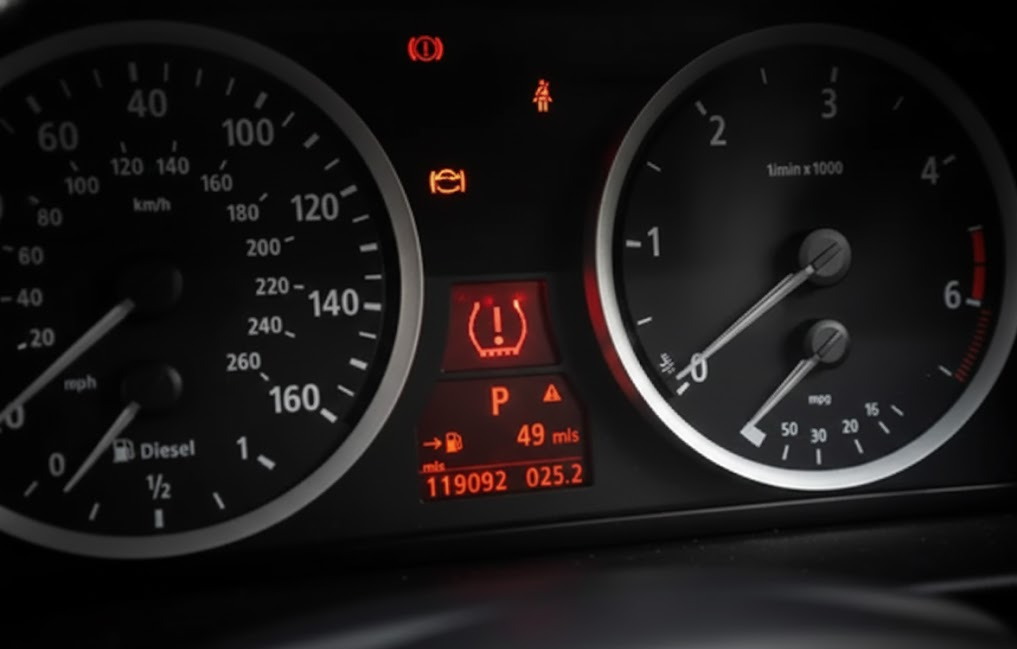
Think of it this way—your vehicle’s computer is incredibly smart, constantly learning and adapting to your battery’s behavior. It tracks every charge cycle, measures voltage drops during startup, and calculates remaining power. When that battery ages, the system compensates by adjusting charging intensity and managing which electrical features get priority. Installing a new battery without informing the system is like switching out a tired marathon runner for a fresh sprinter but still coaching them as if they need constant breaks. This becomes especially problematic during Nassau County’s winter months when temperatures frequently hover in the low 30s and high 20s—cold weather already stresses batteries significantly, requiring up to 30% more power just to crank the engine, and improper charging management compounds those challenges.
The “Swap and Go” Myth: Risks of Skipping Registration
Online forums frequently downplay battery registration, claiming it’s unnecessary or just another dealership upsell. The reality is considerably different, and the risks of skipping this step are both immediate and long-term. When you don’t register a replacement battery, your vehicle’s power management system operates blind—it has no idea that the battery’s condition has fundamentally changed. Your alternator may continue outputting higher charging currents designed for an older battery, causing overcharging that generates excessive heat and accelerates degradation. The new battery might fail within just a year or two instead of the typical four to five years. Start-stop functionality will likely become disabled or unreliable since the system can’t determine when it’s safe to shut down the engine at red lights. You’ll probably notice electrical gremlins—dimmer interior lighting, slower window operation, or warning messages about battery monitoring failures.
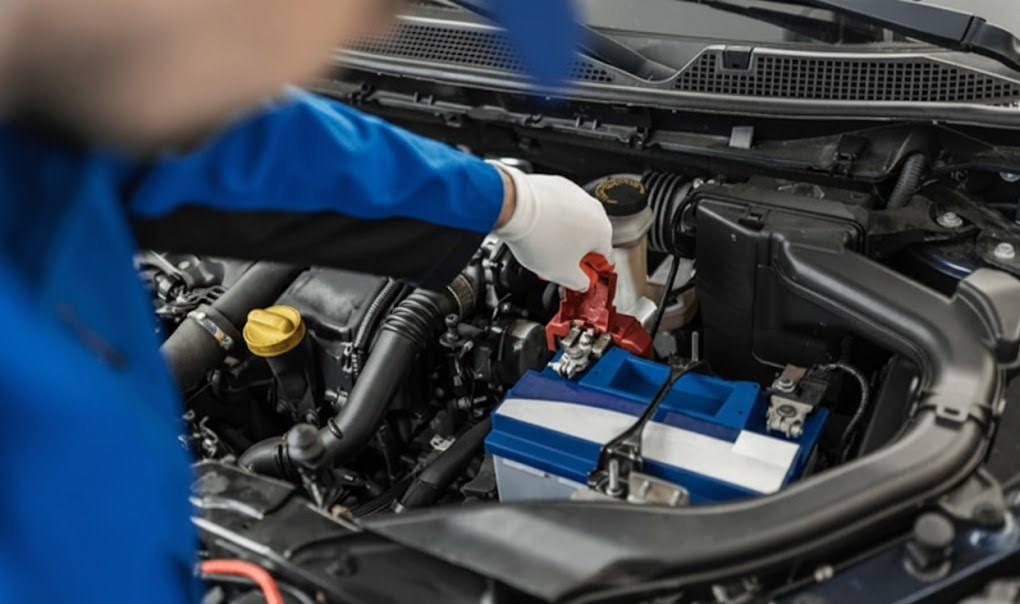
Beyond these technical issues, there’s a more troubling consequence: alternator damage. Your alternator is engineered to work within specific parameters, and when the DME miscalculates charging needs, it can force the alternator to work harder than designed. This excessive strain shortens the alternator’s lifespan, and replacing an alternator is substantially more involved than proper battery service in the first place. For Long Island drivers navigating heavy Southern State Parkway traffic, a failed alternator isn’t just an inconvenience—it’s a potential safety hazard that can leave you stranded. Battery registration takes skilled technicians only minutes using factory diagnostic equipment, but skipping it costs exponentially more in premature failures down the road.
How the Intelligent Battery Sensor (IBS) Affects Performance
At the heart of modern battery management sits a small but remarkably sophisticated component called the Intelligent Battery Sensor, or IBS. This sensor attaches directly to the negative battery terminal and contains a microprocessor that continuously monitors voltage, current flow, temperature, and charge state—whether your vehicle is running or parked. What makes this sensor truly intelligent is its ability to function even when your vehicle is off. Periodically, the IBS wakes up briefly to take fresh measurements. This off-load current monitoring tracks parasitic drain—the tiny amounts of power consumed by systems like alarm modules and onboard computers even when the car sits in your driveway. Over several days, the IBS builds a comprehensive picture of your battery’s health, measuring State of Charge (how much power remains available) and State of Health (the overall condition based on charge-discharge history).
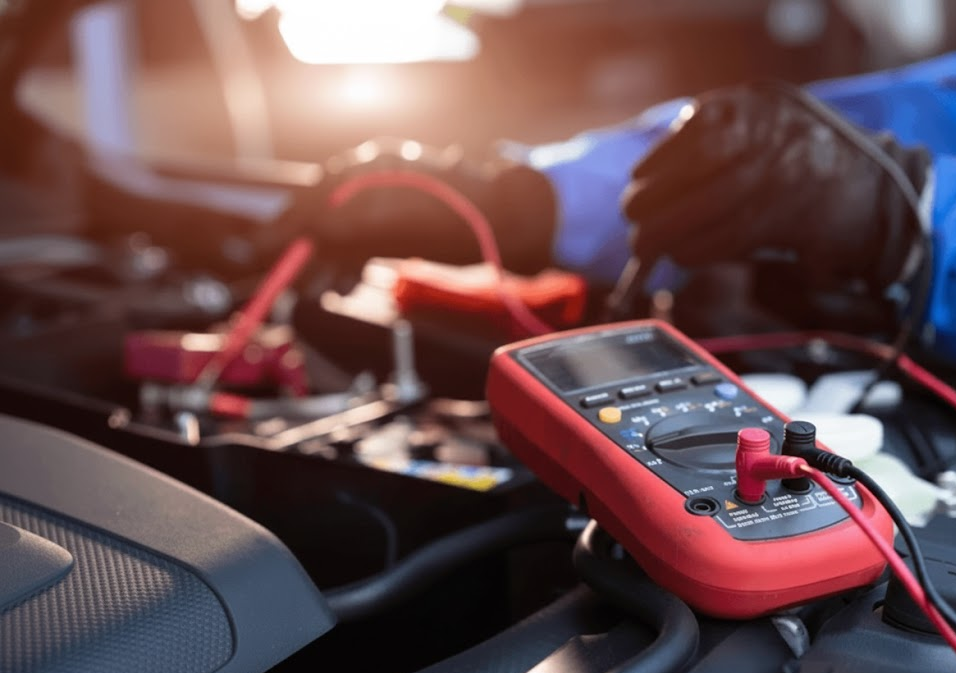
This data feeds directly into the DME’s Advanced Power Manager system, which uses it to make critical operational decisions. If the IBS detects that your battery’s charge has dropped below certain thresholds, the system might temporarily reduce power to non-essential electrical consumers the next time you start the vehicle, ensuring vital systems always have priority. However, the IBS itself is surprisingly fragile. Rough handling during battery replacement or moisture exposure can damage the sensor. When the IBS fails, you’ll typically see fault codes and warning lights, and your vehicle’s electrical behavior becomes erratic. This is why professional service matters—experienced technicians understand how to carefully work around the IBS, test its functionality, and know when replacement is necessary.
Signs Your BMW’s Battery Is Failing in Cold Weather
Long Island winters might not match Minnesota’s brutal cold, but Freeport’s typical winter lows of 26°F are still cold enough to seriously stress aging batteries. According to AAA, batteries lose approximately 60% of their cranking power at 0°F, and even at freezing temperatures capacity drops measurably. When you factor in that cold engines require up to 30% more power to crank, it’s easy to see why winter is prime time for battery failures. The first warning sign is usually a slow crank when starting your vehicle—the starter motor sounds sluggish, taking noticeably longer than usual to fire up. This is especially apparent on those first frigid mornings of late November when temperatures suddenly plunge overnight.

Dim lights are another telltale symptom. If your headlights and interior lighting seem noticeably less bright, especially before the engine starts, your battery is losing its ability to hold adequate voltage. Battery age itself is a critical factor worth considering. If your battery is more than three to five years old and you haven’t had it tested recently, winter is particularly risky. More severe symptoms include physical battery changes—swelling, cracking, or visible leaking that appears as a green or blue powdery substance around the terminals. The key takeaway is that batteries rarely fail without warning—they typically give you clues well in advance. Paying attention to these signals and getting professional battery testing before complete failure saves you from being stranded in inconvenient or potentially dangerous situations.
Why Dealership-Level Diagnostics Are Safer Than DIY
The appeal of DIY battery replacement is understandable—it seems straightforward and potentially less expensive upfront. However, modern BMWs involve considerably more complexity than most owners realize. These vehicles require specialized diagnostic equipment to properly register batteries—not generic OBD-II scanners from auto parts stores. Factory-level diagnostics use proprietary software that accesses parameters generic tools can’t reach. Certified technicians verify the entire charging system operates within specifications, check for fault codes, and ensure the new battery type matches your vehicle’s requirements.
Professional dealership service provides critical advantages:
- Expert IBS handling: Technicians know how to avoid damaging the fragile Intelligent Battery Sensor during installation.
- Comprehensive testing: Full charging system and alternator testing identifies potential failures before they strand you.
- Genuine OEM parts: Factory-engineered batteries specifically match your vehicle’s electrical architecture.
- Warranty protection: Professional accountability means issues get addressed immediately rather than requiring troubleshooting alone.
The Evolution of Battery Tech: From Older Models to New High-Performance Vehicles
Older vehicles from the 1990s and early 2000s used simple electrical systems with basic alternators that charged at a constant rate. Battery replacement truly was “swap and go.” However, starting around the mid-2000s, BMW began implementing sophisticated power management systems to support growing electrical demands. Modern vehicles are packed with electronic systems—advanced driver assistance, touchscreen infotainment, heated seats, and multiple computer modules. Traditional charging approaches couldn’t efficiently support these demands.
This led to intelligent charging systems using the IBS to constantly monitor battery condition and adjust charging accordingly. These systems implement brake energy regeneration, charging aggressively during deceleration, then reducing charge during acceleration. AGM batteries became common because they charge faster and handle deeper discharge cycles better. However, AGM batteries require different charging voltages, which is why the system needs to know precisely what battery type is installed. As vehicles have become more advanced, battery replacement has necessarily become more complex.
Battery Types and Registration Requirements
| Battery Type | Registration Required? | Common Applications |
|---|---|---|
| Standard Lead-Acid | Yes, for IBS vehicles | Older models without start-stop |
| AGM (Absorbent Glass Mat) | Yes, mandatory | Modern BMWs with start-stop |
| Enhanced Flooded (EFB) | Yes, mandatory | European vehicles with basic start-stop |
| Lithium-Ion Starter | Yes, critical | High-performance M models and hybrids |
Note: Registration requirements apply to vehicles with IBS systems, typically 2008+ BMW models.
Frequently Asked Questions (FAQs)
Q: What happens if I don’t register my BMW battery after replacement?
A: Without registration, your vehicle’s power management continues treating the new battery as old and degraded, causing incorrect charging that shortens battery lifespan by years, disables start-stop functionality, and can strain your alternator.
Q: Can I register a different type of battery, like switching from AGM to standard lead-acid?
A: While technically possible, switching battery types isn’t recommended. AGM and standard batteries require different charging voltages, and installing the wrong type can lead to chronic undercharging or dangerous overcharging. Always use the battery type specified for your vehicle.
Q: Does the Intelligent Battery Sensor (IBS) reset automatically when I install a new battery?
A: No, the IBS doesn’t automatically reset. Without proper registration through diagnostic software, the DME doesn’t know a new battery was installed and continues using outdated charging profiles.
Q: Why does battery registration cost more than a standard swap at parts stores?
A: Professional service includes factory diagnostic equipment, charging system verification, fault code checking, and proper battery type confirmation. This expertise prevents the much higher costs of premature battery failure or alternator damage from improper service.
Q: How often should high-performance car batteries be replaced in New York climates?
A: Most quality batteries last three to five years in Long Island’s climate. New York’s temperature extremes stress batteries from both ends. Annual battery testing, especially before winter, helps you stay ahead of failures.
Protect Your Investment with Professional Battery Service
Your BMW represents a significant investment in engineering excellence and advanced technology. As temperatures decline through December and January, with overnight lows frequently hitting the mid-20s, now is the perfect time to have your battery tested and, if necessary, replaced with proper registration. The certified technicians at BMW of Freeport Service Center have the factory diagnostic equipment, technical training, and genuine parts needed to ensure your vehicle’s electrical system operates exactly as designed. Proper battery service isn’t optional—it’s essential for maintaining reliability, protecting expensive components like alternators, and ensuring all your advanced features work correctly.
Don’t let Long Island’s cold weather catch you off guard with a failing battery. Winter battery failures spike dramatically as temperatures drop, with breakdown calls increasing substantially from December through February. Professional service lets you address battery needs on your schedule, with complete confidence that the work is done correctly. Our comprehensive approach includes thorough charging system testing, verification of IBS operation, precise battery registration using manufacturer-approved protocols, and detailed inspection of all related electrical components.
Schedule your professional battery service today and ensure your BMW stays reliable all winter long!
Or visit us at BMW of Freeport Service Center at 100 Cleveland Ave, Freeport, NY 11520, where our expert service team is ready to provide the specialized care your vehicle deserves. We’re here to keep you confidently on the road through every season.